In this article, I use data from the Drupal Git commit history, as well as other sources, to demonstrate how dramatically the Drupal core “code committing” landscape has changed. My analysis below argues that the process of committing code to Drupal core is a far more complex process than some might assume of a project with a BDFL.
Blog
Reshaping Data in R
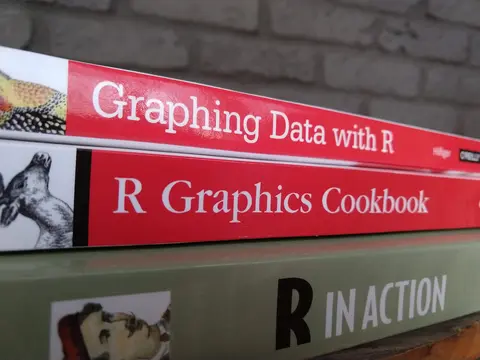
For the professional web developer/engineer who gets paid to write code and build websites, writing R code for data science should feel somewhat familiar. Web development and data science can both involve writing code. However, some of the fundamental concepts are quite distinct, such as data structures. For instance, at multiple points in my life, after months of writing code almost exclusively for web development, I will suddenly get the idea that I want to analyze some data.
Imagining Drupal

When I attended my first DrupalCon in San Francisco I brought three suits. At that point, I had been speaking at (academic) conferences for a decade, and in my experience conferences were places where attendees dressed formally and speakers literally read their papers (here's a real example from a 2005 Women's and Gender Studies Conference where I spoke). I arrived in San Francisco thinking I would spend some time exploring the city while I was there, but I ended up spending nearly all of my extra time in the ChX Coder Lounge learning everything I could about Drupal from kind people in the Drupal community.
A Security Checklist for Drupal 8 Sites with Private Data
Drupal has a great reputation as a CMS with excellent security standards and a 30+ member security team to back it up. For some Drupal sites, we must do more than just keep up-to-date with each and every security release. A Drupal site with private and confidential data brings with it some unique risks. Not only do you want to keep your site accessible to you and the site’s users, but you also cannot afford to have private data stolen. This article provides a checklist to ensure the sensitive data on your site is secure.
Upcoming Live Coding Events in Minnesota and Wisconsin
The worldwide live coding community is a diverse group of people that includes programmers, academics, musicians, dancers, visual artists, and others who like to get together in person to share sounds, visuals, and ideas. Compared to some parts of the world where live coding events happen regularly, the Midwest does not have a lot of opportunities to experience live coding live. However, this week we have two live coding events within relatively close proximity.
Six Months of Tidal
I first attempted to install TidalCycles about six months ago, in May 2018. I've learned a lot in the past six months, and I'd like to share some of the knowledge I've acquired. If you are new to Tidal or you've tried it out in the past and got stuck, then this unnumbered list of observations is for you.
Sound, Images, and Live Coding at Studio Z
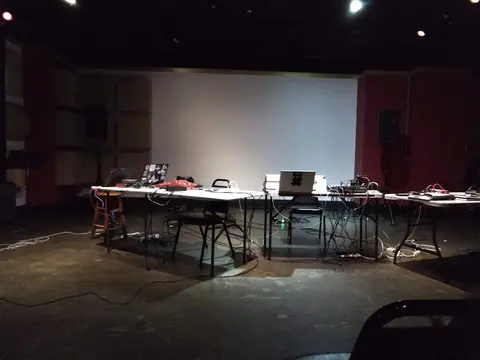
On Friday (June 8) I attended my first live coding event, announced as "Nada presents Spednar, Rew, and Local Artists." This concert felt unlike any music concert I had ever attended. I greatly enjoyed the event and I've been investigating why. What follows recounts my experiences at one live coding event, and does not attempt to characterize all live coding events.
OpenVPN on Ubuntu 18.04
I needed to install Ubuntu 18.04 recently and I ran into some problems with OpenVPN 2.4.4 not working (it had worked fine with OpenVPN 2.4.0 from Debian stretch/stable). The errors pointed to ns-cert-type being the problem, which is indeed a deprecated option. But that led me to find suggestions to instead use remote-cert-tls server that did not help me get things working.
Install Tidal on Debian Stretch
TidalCycles (or just "Tidal") is a programming language used for live coding. I'll leave further details about Tidal for another post, but essentially Tidal facilitates creating music with code. While the Tidal community hopes to make installing Tidal on GNU/Linux easier, I struggled to get Tidal working on Debian stable.
Drupal as a Political Act
The Drupal community can bring people together, discourage hate, and promote democracy. I hope that we can find common ground, build on what we have accomplished, and organize against the forces that seek to divide us against ourselves.