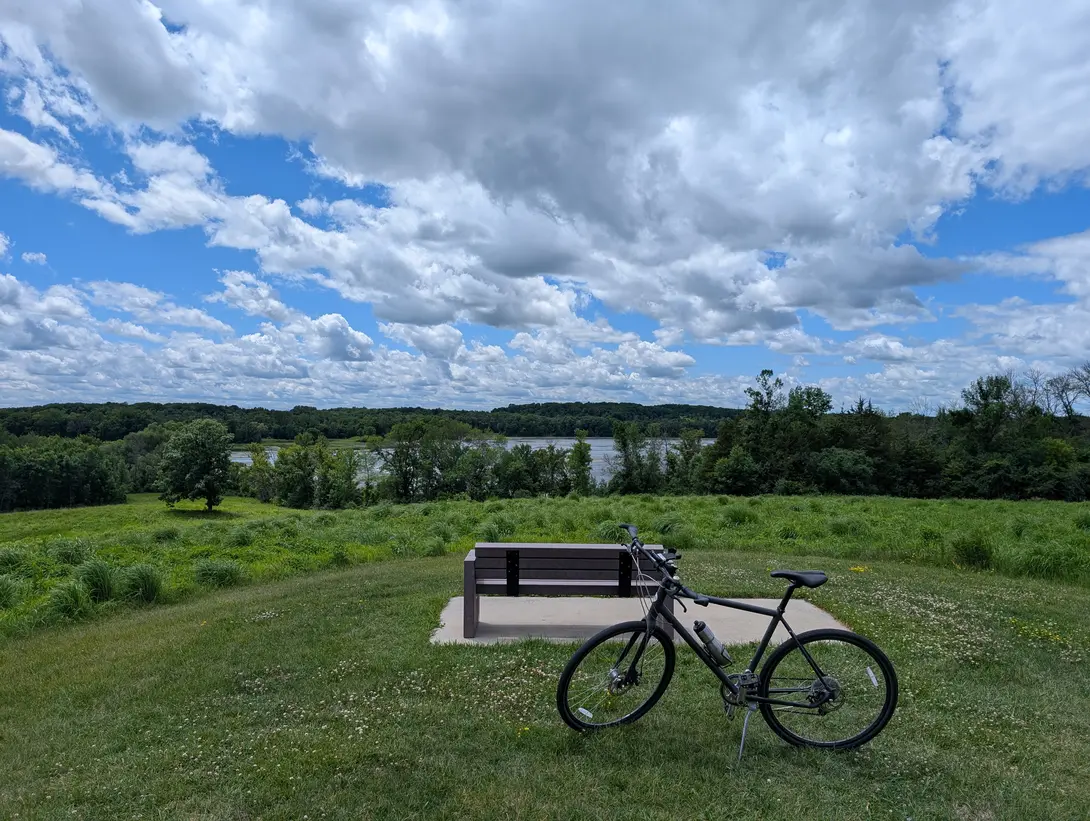
Out on my bike last week, I realized I had forgotten to disable notifications on my phone, which I use as my bike computer. Part-way into my ride, someone messaged me about work, and suddenly my mind started deliberating. My biking meditation stopped, and I spent the next couple of miles thinking about the message I did not want to stop and answer.
We practice because we want something. More ease, or perhaps less reactivity, toward the people we live with. More strength. Rock hard abs. Whatever it is, it will happen because of causes, and the causes are our own actions on and off the mat. Inconsistent actions lead to inconsistent results. That isn’t a punishment, it’s just how nature works.
When your practice feels like it’s not progressing as you would like, the question to ask is not whether yoga “works.” It’s whether the causes you’re creating line up with the results you want. Patañjali offers three places to look in Yoga Sūtra 2.01: “yoga in action consists of ardency, study, and surrender.” He calls those three kriyā yoga, the yoga of doing, and he does this at the very beginning of the chapter on practice, ahead of the eight limbs.
Patañjali does not present kriyā yoga as three questions, but I find it useful to pose them that way:
Are you doing this well, or just adequately? Tapas, ardency, literally means “heat,” and the heat comes from effort. Some days you only kinda-sorta-believe that practice will produce anything beneficial, so you only kinda-sorta practice. It’s just human nature to have doubts, especially as you start spending more and more time doing something. Maybe you skip the last five minutes, or hold the pose to the edge of interesting and no further. Nothing dramatic goes wrong, except that you are not getting the results you wanted.
What did you bring with you to this moment? Svādhyāya is self-study. You can practice for years without noticing how the practice is changing you, or what you carried onto the mat before you started. You might ask why you are in the mood you are in this morning. Ask what story motivated the feeling of dislike you have about that posture. It can be easy to skip these questions because so often the answers are boring. Right up until they aren’t.
What are you trying to control? Īśvara-praṇidhāna is surrender, letting go of the outcome, handing the results over to something larger than your preferences. Practicing yoga and meditation can quickly turn transactional, and you start expecting results. You put in forty minutes and check whether you feel calmer. Nope, hmmmm. So you check again, and the checking keeps the calm away. Wanting the result is fine. Managing it is the problem.
Patañjali clearly regarded these three topics as important, because they come back later in the same chapter as the last three of the five niyamas. Georg Feuerstein, who wrote more than thirty books on yoga, went so far as to equate kriyā yoga with Classical Yoga itself rather than the warmup for it (The Philosophy of Classical Yoga, Preface). In the eight limbs of yoga, the niyamas come before posture, breathing, meditative practices, and the various levels of self-actualization, so you can bring these three topics into all aspects of your practice.
As always, it’s important to remember these are practices to do, not just to think about. Back on the bike, I went down the list. Bike rides are part of my practice, and I was putting in effort, so I felt good about the first question. I felt good about the second question, too: before the message arrived I was noticing the feel of my breath and my feet on the pedals, and I was biking because I have experienced the positive effects on my body and mind. That left the third. I wanted to answer the message, but there was nothing I could do out on my bike ride to help the person who messaged me. The only thing to do was “let it go,” which is a sentence that makes letting go sound simple. But you can’t force the mind to release anything. The important takeaway for me is that recalling these three questions cleared the way back to a peaceful ride. Somewhere before I got home the message stopped riding along with me and the ride felt beneficial again.
I’ve been working on these three questions for the past few weeks, and most of the time I brought them to mind, the answer came back surrender. It isn’t always that way for me. Some weeks the answers jump around, and these past few weeks they didn’t, which is its own kind of information about my practice.
Next time your practice feels stuck, you might consider these three questions to help get you unstuck:
- Are you doing this well, or just adequately?
- What did you bring with you to this moment?
- What are you trying to control?
Comments